
Vibe Code Brief, October 9: AI Rebuilds Adobe Creative Cloud for Free
Today is October 9, 2026. The big story is a solo developer who used AI to rebuild seven Adobe Creative Cloud apps and released them for free. Plus: Claude Haiku 5.5 cuts API costs by up to 90%, Google's AI content detector goes public, and enterprises are waking up to vibe-coded app security risks.
1. ArtCraft Vibe-Coded Adobe's Entire Creative Cloud Suite and Gave It Away Free
 Image: ArtCraft, via getartcraft.com
What happened: Software developer Brandon Thomas used Claude Opus 5.5 to build clean-room, open-source replacements for Photoshop, Illustrator, Premiere, Lightroom, After Effects, InDesign, and Acrobat Pro. The apps are written in Rust, released under MIT and Apache licenses, and cost nothing. Thomas said he was motivated by Adobe's cancellation fee dark patterns, which cost the company a reported $150 million federal settlement. The apps are in early alpha, but Thomas claims 100% feature parity within months.
Why it matters to designers and builders: This is the most aggressive vibe coding project we have seen. It proves that AI can now produce functional (if rough) versions of deeply complex professional software, fast. If you build software, your moat is no longer engineering effort. It is design quality, community trust, and how you treat your users.
What to do: Browse the ArtCraft GitHub to see what AI-generated code looks like at this scale. Do not switch your production workflow yet, but start watching this space.
2. Anthropic Launched Claude Haiku 5.5 With Up to 90% Price Cuts
 Image: Anthropic, via anthropic.com/news
What happened: Anthropic released Claude Haiku 5.5 on October 7, the third model in its Claude 5.5 family. For prompts up to 100,000 tokens (about 90% of requests), input costs drop 90% to 10 cents per million tokens and output to 50 cents. The company also halved Sonnet 5.5 cache-read prices from 20 cents to 10 cents per million tokens. Max and Team subscribers now get monthly API credits: $100 for Max 5x, $200 for Max 20x, and up to $500 for Team accounts.
Why it matters to designers and builders: If you are paying for AI API calls, this is a direct cost reduction. Haiku 5.5 is positioned for high-volume, repetitive work: summaries, classification, and subagent tasks that bigger models delegate to. The Sonnet cache-read cut alone should take about 20% off the cost of most agentic workflows.
What to do: If you are building with Claude, audit your API bill and test Haiku 5.5 for your lower-complexity tasks. The credits for Max and Team subscribers are free money if you are already paying for a subscription.
3. Google Opened Its SynthID Detector to the Public
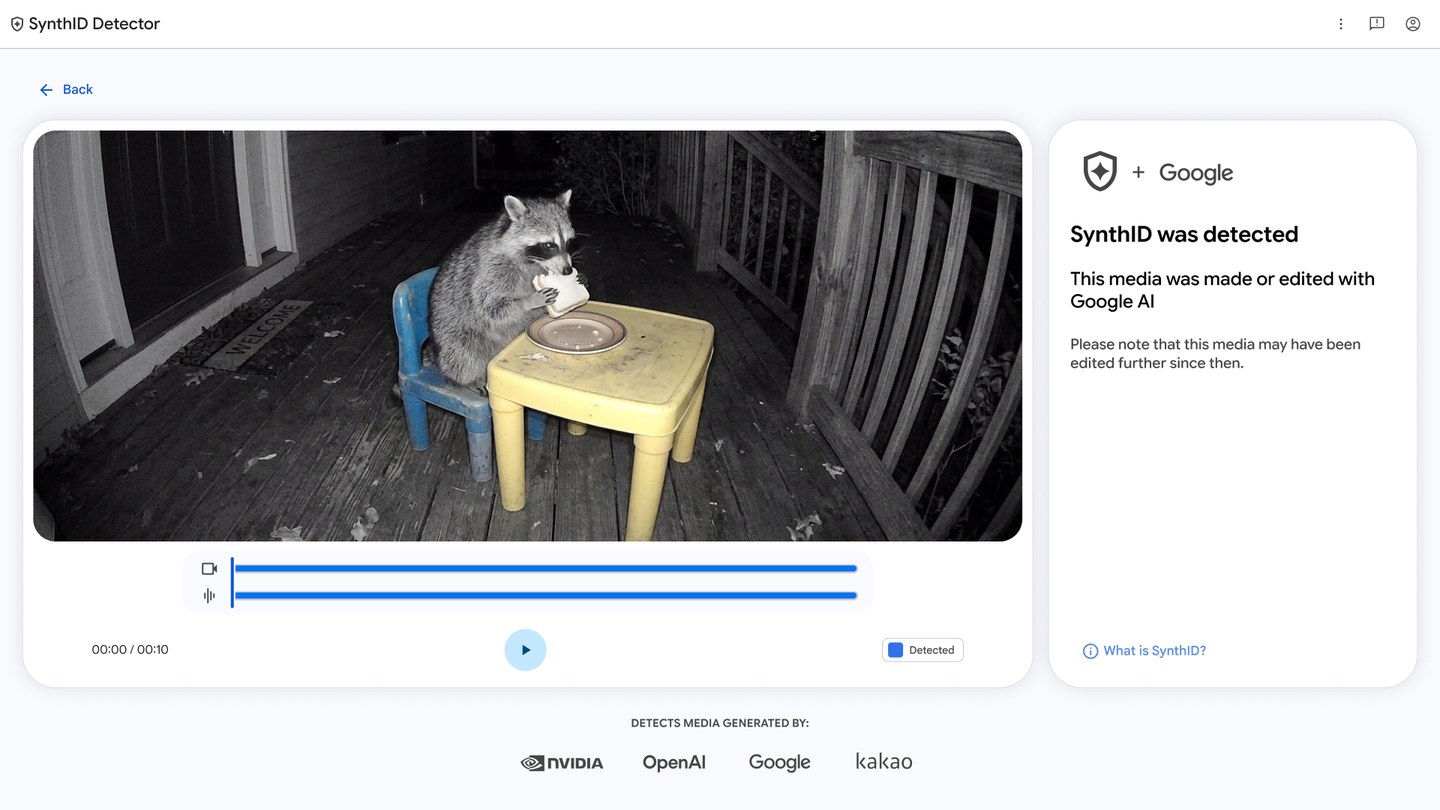 Image: Google, via blog.google
What happened: Google launched a public SynthID Detector on October 7, letting anyone upload images, videos, or audio to check for AI watermarks. The tool looks for SynthID watermarks embedded by Google's own AI models and a growing list of partner platforms. Uploads are deleted after processing, and bulk queries are blocked.
Why it matters to designers and builders: AI-generated content is flooding every platform. Designers who need to verify whether an image is AI-made now have a free, official tool. Builders who produce AI content should understand that watermarking is becoming a standard, and SynthID is Google's bid to be the default.
What to do: Try the SynthID Detector on a few images. If you generate AI content for clients, check whether your tools embed SynthID watermarks.
4. Vibe-Coded Apps Are an Enterprise Security Time Bomb
What happened: VentureBeat reported that employees are building workplace apps with AI tools faster than IT departments can secure them. The article outlines specific vulnerabilities: command injection, API key leaks, and request forgery. It recommends a hybrid approach where AI handles the build and security tools handle the guardrails.
Why it matters to designers and builders: If you are vibe coding apps for your team or clients, security is your responsibility. The speed of AI building does not exempt you from basic security practices. Enterprises are starting to audit AI-built apps, and the ones without guardrails will get pulled.
What to do: If you are building apps with AI tools, add authentication, validate inputs, and never hardcode API keys. If you want a platform that handles security infrastructure for you, Base44 includes row-level security, authentication, and managed infrastructure out of the box.
Our Take
The ArtCraft story is the one that will echo. Not because the apps work well yet (they do not), but because a single person rebuilt seven of the most complex desktop applications on Earth using one AI model and a weekend. Every software company should be asking: if the cost of building a competitor to my product just dropped to near zero, what actually keeps my customers here? The answer is not features. It is trust, design quality, and fairness. Anthropic's price cuts and Google's transparency tools are moves in the same direction: the tools are getting cheaper, faster, and more accountable. Build accordingly.
Building something from today's news? Start with Base44. Want to practice your skills first? Try the Daily Vibe Code challenges on NewForm.
Find Your Stack
Discover the perfect design tools for your workflow.
Take the 60-second quizNewForm Studio
Turn your designs into professional mockups instantly.
Open Studio