

Canva ProSuite: When Free Design Tools Start Talking to Each Other, Adobe Should Worry
On September 15, 2026, Canva launched something it calls ProSuite. On paper, it sounds simple: they bundled Affinity (design, photo editing, layout), Cavalry (motion graphics), Flourish (data visualization), and Leonardo (AI image generation) into one connected platform.
In practice, it is the most aggressive move against Adobe's creative monopoly in over a decade.
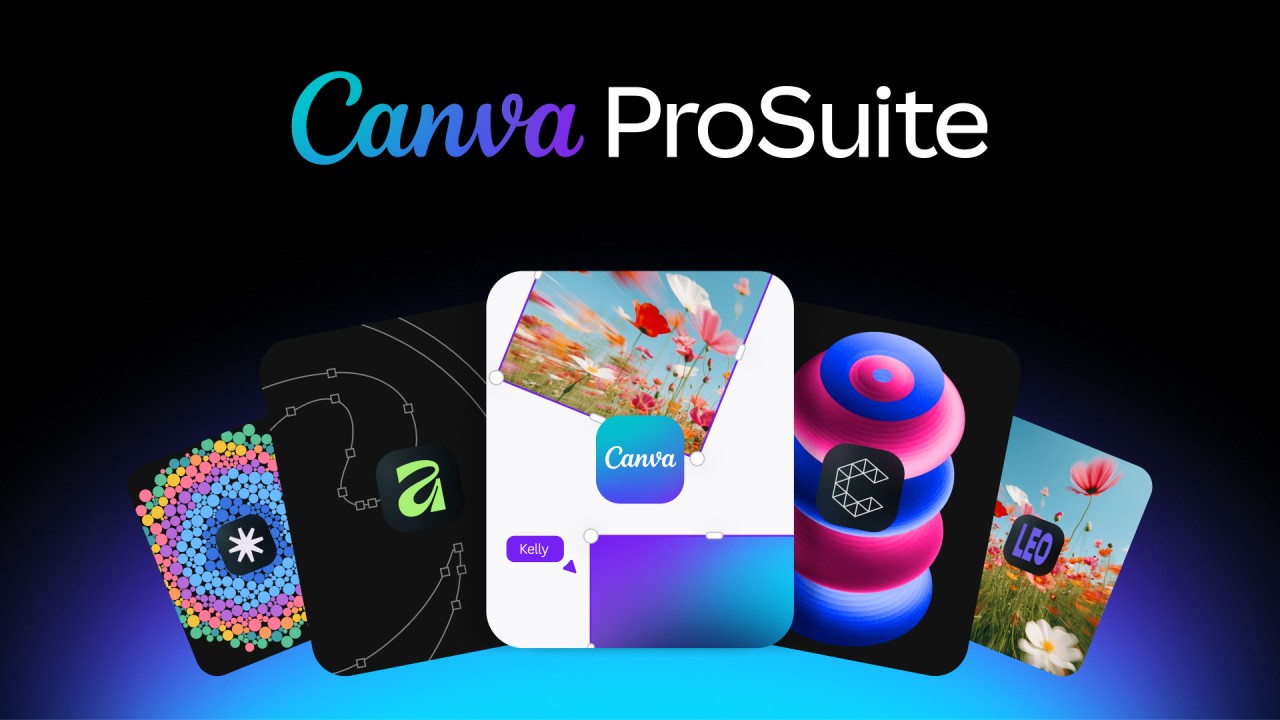 Image: Creative Boom coverage, editorial commentary
Here is the part most coverage is missing: the story is not that Affinity is free. We already knew that. Canva made Affinity free in 2025 and it has been downloaded seven million times since. Free photo editing is not news anymore.
The story is that these tools now talk to each other.
The Real Threat: Workflow, Not Features
Cameron Adams, Canva's co-founder and chief product officer, said something at the London press breakfast that every designer should pay attention to: "The best model doesn't win, the best experience does."
He is right, and it is a direct shot at Adobe's entire strategy.
Adobe has spent a decade building the best individual creative tools in the world. Photoshop is better than Affinity Photo at the high end. Illustrator is more capable than Affinity Designer for complex vector work. After Effects dwarfs Cavalry in features. Nobody is arguing that.
But here is what Adobe got wrong: they put all those tools in separate buildings and charged you rent for each one.
Creative Cloud is a collection of excellent applications that happen to live under the same billing system. Moving a project from Illustrator to After Effects to Photoshop still feels like switching applications, because it is. You export, import, re-export, re-import. The friction is real and it adds up over the course of a workday.
Canva's bet is that connected workflow beats isolated capability. When your vector work, photo editing, motion graphics, data visualization, and AI image generation all live within one interface that actually passes assets back and forth without file gymnastics, you spend less time on logistics and more time on design. That is not a feature. That is a philosophy.
The Blend Tool and Other Signals
If you have spent time in Affinity forums, you know the Blend Tool has been the number one feature request for years. It shipped today. You can set bias and easing, run elements along a curve, and let Affinity figure out how shapes morph. It is the kind of feature that professional designers actually use, not a flashy AI demo.
But that is not all. Affinity 3.3 also includes:
- A streamlined Mask Tool
- 3D model support
- The ability to turn a flattened image back into layers (this is genuinely useful and technically impressive)
- INDD import, meaning old InDesign files come straight in
- A new Claude AI connector for in-app AI assistance
- In-app scripting for automation
Cavalry gets 50-plus new features, including a coming-soon capability to edit text or color in an animation inside Canva while the core scene stays locked.
This is not a free toy. This is professional software that happens to be free.
Why This Matters for Designers Right Now
If you are a freelance designer, an agency owner, or an indie builder, the math has changed.
Last year, your options were: pay Adobe $60+ per month per seat, or use free tools that did not connect and felt like compromises. Now your options are: pay Adobe for the best individual tools on the market, or use a connected suite of professional-grade tools that cost nothing and talk to each other.
Here is my honest take: Affinity is not going to replace Photoshop for high-end retouching next week. Cavalry is not going to replace After Effects for complex compositing. Canva's template library still carries a stigma in professional circles.
But the gap is closing fast, and Canva has something Adobe does not: momentum with 250 million users and a model that does not punish you for trying.
The studios that win the next five years will be the ones with the least friction between their tools. Not the ones with the most expensive software.
What You Should Actually Do
First, download Affinity 3.3 today. Not because it replaces your current workflow, but because you need to feel the connected experience to understand where creative software is going. Cameron Adams said the goal is "content that can only come from you." Whether that is marketing or mission, the tools backing it up are real.
Second, if you are building digital products or launching ideas, think about tool friction as a design problem. How many apps do you switch between in a day? How many export-import cycles? Could a connected suite cut that in half?
Third, pay attention to the Claude AI connector. Canva is not trying to build the best AI model (they use Leonardo for images and Claude for text). They are trying to build the best workflow around AI. That is a fundamentally different strategy from Adobe trying to stuff Firefly into every app.
If you want to build your own connected product without waiting for the giants to figure it out, you can start with Base44, which lets you spin up a working app in hours, not months.
The Bottom Line
Canva ProSuite is not a Photoshop killer. It is something more interesting: a Creative Cloud alternative. One that is free, connected, and built around the idea that your tools should work together instead of just coexisting under one subscription.
Adobe still makes the best individual creative tools. But Canva is building the best creative workflow. The question is which one matters more in five years.
I have my answer. What is yours?
Cover image: AI-generated editorial illustration, NewForm brand palette.
Find Your Stack
Discover the perfect design tools for your workflow.
Take the 60-second quizNewForm Studio
Turn your designs into professional mockups instantly.
Open StudioMore from NewForm

Anthropic Just Opened the AI App Store: What the Claude Plugin Portal Means for Designers
Anthropic's new developer portal lets anyone submit MCP connectors and plugins to Claude. The real story isn't the tooling. It's the new design surface that opens up when your product lives inside a conversation.
5 min read · Sep 26, 2026

Adobe Just Put Photoshop Inside Gemini: Why the Design Workflow Shift Matters More Than the Tools
Adobe dissolved its application boundary. Photoshop, Lightroom, Express, and Firefly now live inside Google Gemini. Most coverage missed what this actually means for designers.
7 min read · Sep 25, 2026