
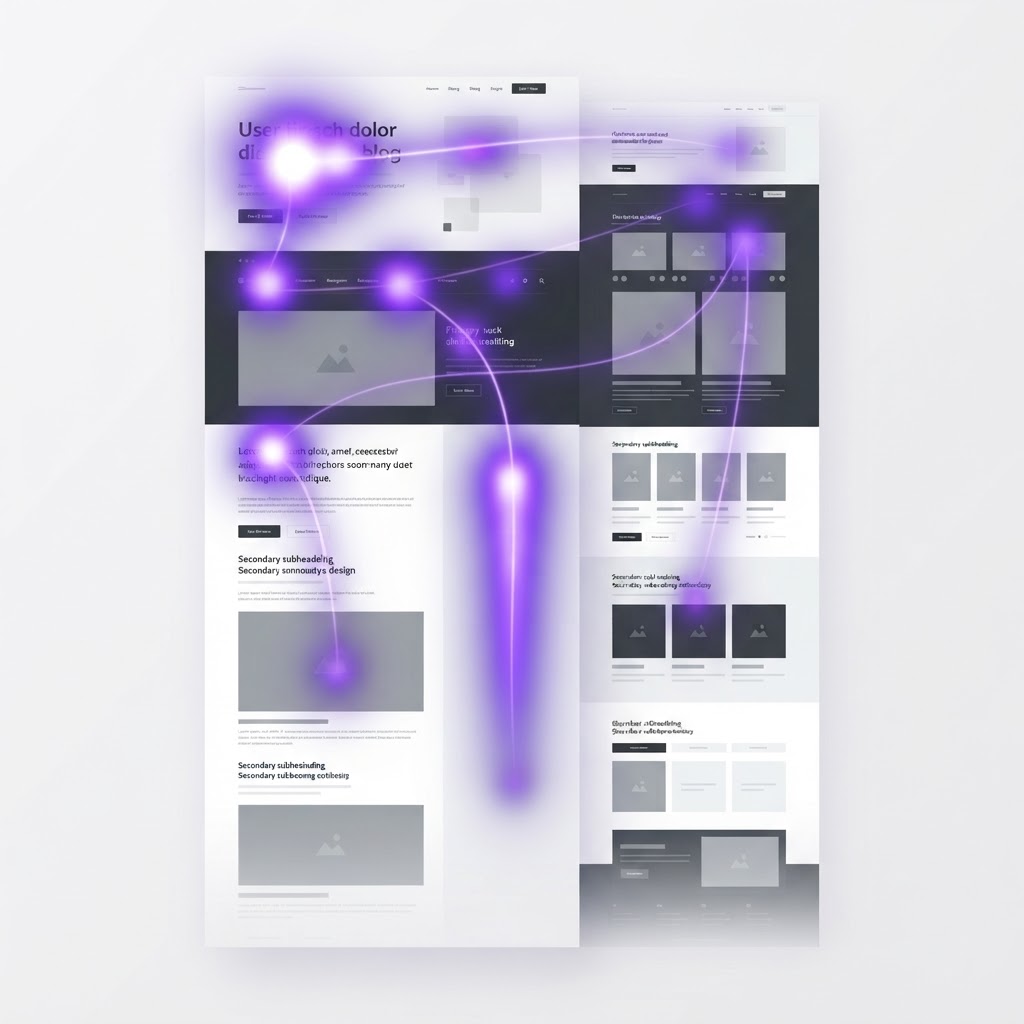
Designing for Attention: Why People Don't Read Websites Anymore
People don't read websites anymore. They scan. They skim. They bounce. And if your design doesn't account for that, you're losing them before they even start.
The Attention Economy
The average attention span has dropped to about 8 seconds. That's less than a goldfish. But it's not that people can't focus, it's that they've learned to filter. They're bombarded with content all day, and they've developed defense mechanisms.
Your job as a designer is to work WITH those mechanisms, not against them.
Designing for Scanners
1. Lead with the Value Proposition
The first thing people see should tell them exactly what they'll get. No mystery. No "clever" headlines that require thinking. Clear, direct, valuable.
2. Use Visual Hierarchy Like a Map
Big = important. Small = detail. Color = action. People should be able to understand your page's purpose by squinting at it.
3. Break Text into Digestible Chunks
- Short paragraphs (2-3 sentences max)
- Bullet points for lists
- Bold key phrases for scanners
- Headers that tell a story on their own
4. Use Whitespace as a Tool
Whitespace isn't empty space, it's a signal. It says "this is important, so we gave it room." Cluttered designs scream "nothing here is worth your attention."
5. Make CTAs Impossible to Miss
If someone scans your page for 3 seconds and can't find the action button, your design has failed. Period.
The Bottom Line
Designing for attention isn't about tricks or manipulation. It's about respecting your user's time and making it easy for them to get value quickly.
The best designs don't fight scanning behavior, they guide it.
Originally posted by @designbyshiv._ on Instagram
Find Your Stack
Discover the perfect design tools for your workflow.
Take the 60-second quizNewForm Studio
Turn your designs into professional mockups instantly.
Open StudioMore from NewForm
Level Up Your Design Workflow: Essential Tips and Modern Tools
Discover how to optimize your creative process with modern typography strategies, AI design tools, and expert techniques to elevate your digital product work.
6 min read · Aug 30, 2026
The Most Dangerous Thing a Designer Can Do in 2026
Stagnation is the biggest threat to your career. Learn how to evolve your design skills and stay ahead in the rapidly shifting 2026 industry landscape.
3 min read · Aug 14, 2026